04/19/2026
3rd Sunday of Easter
Have you invited someone to your house? Or have you been invited?
You know, you would be in different positions depending on whether you are the host or the guest.
When you invite people over for dinner, you spend time considering what they like. And When they arrive, you show them where to sit and you serve them. Conversely, when you are the guest, you might simply sit, relax, and enjoy the hospitality.
However, I was raised differently. My mom always told my brother and me (in a Korean idiom): “Your butts should be light.” She meant that we shouldn't just sit there expecting to be served. We were expected to to help set the table, serve the food, wash the dishes, and clean up, no matter whether we were the hosts or the guests. You know, I took this “lesson” to heart.
About seven years ago, shortly after I arrived in the United States, I was invited to a pastor’s house for the first time. And I did as I had learned. I stayed "light on my butts" and helped with everything. The pastor’s mother was so impressed that she told him, "You should learn from him!"
–I haven’t been invited again since then.–
I’d like to approach today’s gospel from the perspective of invitation.
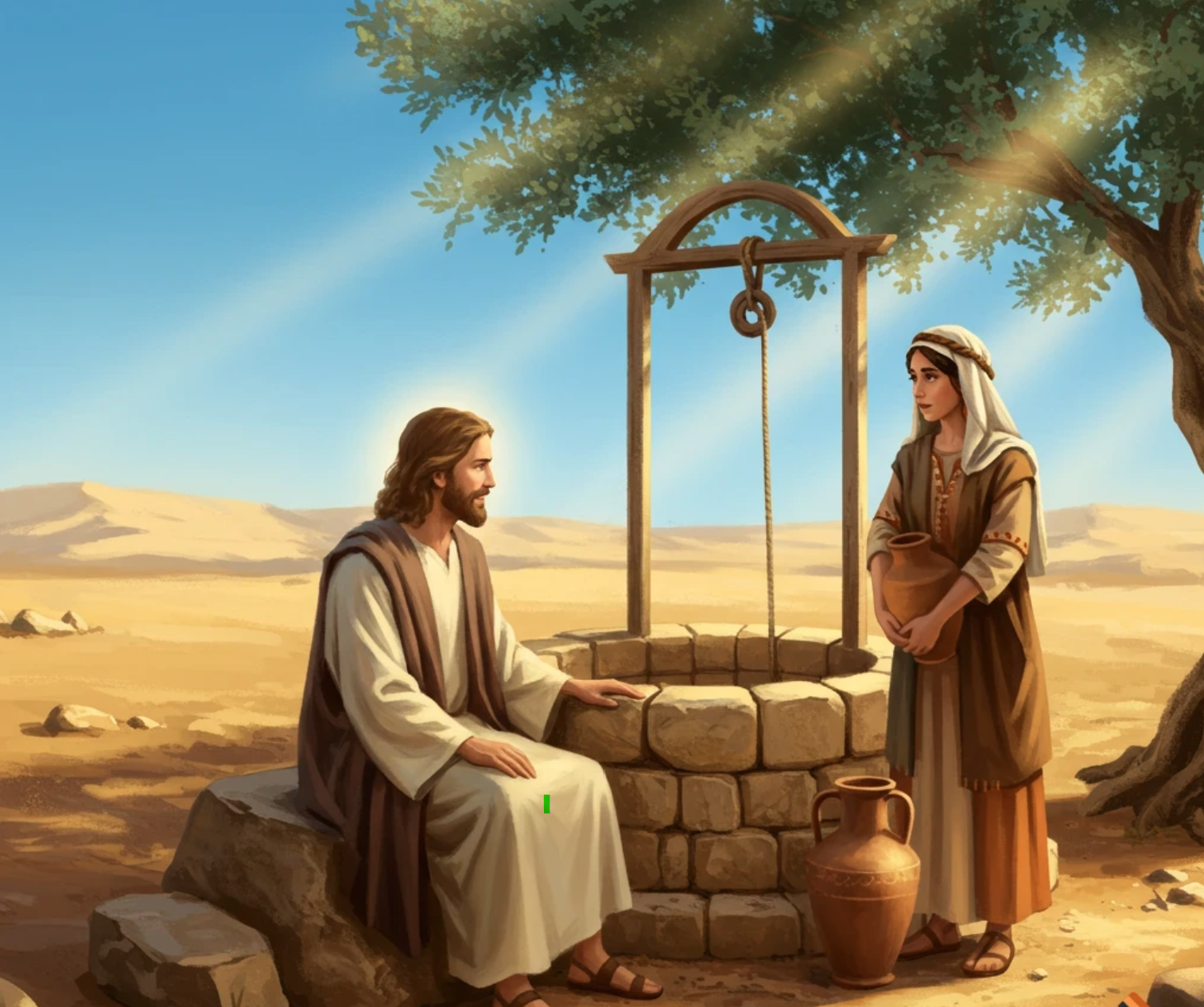
In today’s Gospel, the resurrected Jesus joined two of his disciples on the road to Emmaus, and then sneaked into their conversation.
In this conversation, Jesus was pictured as the guest, at first. He listened to them and asked what they were talking about. But before they realized it, the roles began to shift. Jesus took the lead in the conversation, interpreting the Scriptures and explaining everything that referred to Him.
As they approached the village, they urged Jesus to stay with them. In other words, they invited Jesus again. And at this point again, The Guest became the Host. Jesus took the bread, said the blessing, broke it, and shared it with them. Then their eyes were opened and they recognized him.
This companionship between the two disciples and Jesus reflects our own spiritual life. When we begin to pray, it often feels as though we are the ones initiating the conversation with Jesus; yet, as we go deeper, we realize we are actually being led by Him.
Even this mass is the same. It may seem like we began this mass, but in reality, we have been invited his banquet. He takes the bread, gives thanks, breaks it, and gives it to us.
In fact, the journey of the two disciples with Jesus perfectly symbolizes Mass itself. Their conversation with Jesus on the road represents the liturgy of the word, where our hearts are opening and begin to “burn within us” through his words. And their dinner table is the liturgy of Eucharist, where we receive Jesus himself, the bread of life. In this sacred moment, we are truly His guests.
And as loyal guest, we should pay close attention to what the disciples did next. The Gospel reports that they set out at once and returned to Jerusalem. They didn't just keep going; they changed their direction! They turned around. In a very real sense, they repented.
The journey to Emmaus shows us that repentance is not only for the season of Lent; it continues through Easter. This is the “Easter repentance” —a turning back toward the Lord that is driven not by guilt, but by the joy of the Resurrection.
Keep your journey of repentance with resurrected Jesus.